What to Expect During Wisdom Teeth Removal Surgery
Posted on 07-04-2023 02:46 am
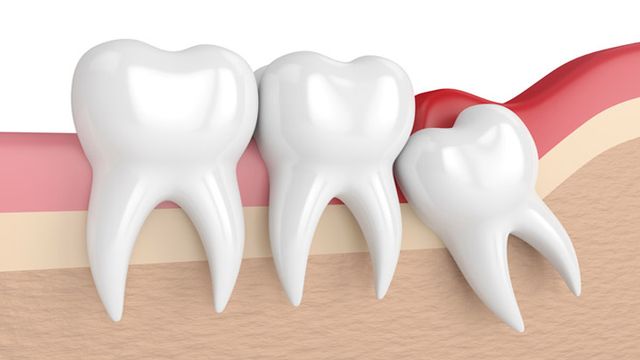
What to Expect During Wisdom Teeth Removal Surgery
Wisdom teeth removal surgery is a common dental procedure that involves the extraction of one or more third molars located at the back of the mouth. While this surgery is routine, it can still be a nerve-wracking experience for many patients. That's why it's important to understand what to expect before, during, and after the procedure. By being prepared and informed, patients can feel more confident and relaxed throughout the process, and ensure a smooth and successful recovery.
Pre-Procedure Preparation
Before the wisdom teeth removal surgery, patients will typically meet with their dentist or oral surgeon to discuss the procedure and prepare for it. This may include a variety of steps, such as:
-
Meeting with the dentist/surgeon: Patients will have the opportunity to meet with the dentist or oral surgeon who will be performing the procedure. During this meeting, patients can ask questions, discuss concerns, and get a better understanding of what to expect.
-
Medical evaluation: The dentist or surgeon will typically perform a medical evaluation to ensure that the patient is healthy enough for the surgery. This may involve taking X-rays, reviewing medical history, and discussing any medications or health conditions that the patient may have.
-
Discussion of anesthesia options: The dentist or surgeon will explain the different anesthesia options available and help the patient decide which one is best for them. This may include local anesthesia, sedation, or general anesthesia.
-
Instructions for before the procedure: Patients will receive detailed instructions on how to prepare for the wisdom teeth removal surgery. This may include fasting for a certain amount of time before the procedure, arranging for transportation to and from the appointment, and taking any necessary medications. By following these instructions carefully, patients can help ensure a successful procedure and minimize the risk of complications.
The Procedure Itself
During the wisdom teeth removal surgery, the dentist or oral surgeon will typically follow these steps:
Description of the surgery: The dentist or surgeon will use specialized tools to carefully remove the wisdom teeth from the patient's mouth. This may involve making incisions in the gums to access the teeth, and then using forceps to carefully extract them.
Types of anesthesia used: Depending on the patient's preference and medical history, the dentist or surgeon may use local anesthesia, sedation, or general anesthesia to numb the area and minimize pain during the procedure.
Timeline for the procedure: The length of the surgery can vary depending on the number and location of the wisdom teeth being removed, as well as the patient's individual needs. However, most procedures typically take between 30 minutes to an hour.
Possible complications and how they are addressed: While wisdom teeth removal surgery is generally safe and routine, there is always a small risk of complications. These may include bleeding, infection, nerve damage, or damage to surrounding teeth or gums. If any complications arise, the dentist or surgeon will take steps to address them and ensure the patient's safety and comfort. This may involve prescribing medication, providing additional follow-up care, or referring the patient to a specialist.
Post-Surgery Recovery
After the wisdom teeth removal surgery, patients will need to take certain steps to ensure a smooth and successful recovery. Some of the most important things to keep in mind include:
Instructions for after the procedure: The dentist or surgeon will provide detailed instructions on what to do after the procedure. This may include information on how to manage any bleeding or discomfort when to change gauze pads, and what medications to take.
Pain management: Patients may experience some discomfort or pain after the surgery. The dentist or surgeon may recommend over-the-counter pain medications, or prescribe stronger medication if needed.
Dietary restrictions: Patients will typically need to stick to a soft food diet for a few days after the surgery. This may include items like soup, yogurt, mashed potatoes, and smoothies.
Oral hygiene recommendations: Patients will need to take special care of their mouths to ensure proper healing. This may involve avoiding brushing or rinsing for the first day or two, and then gently brushing and rinsing with warm salt water.
Follow-up appointments: Patients will typically need to schedule a follow-up appointment with the dentist or surgeon to check on the healing progress and ensure that there are no complications.
By following these post-surgery instructions carefully, patients can help ensure a smooth and successful recovery, and minimize the risk of complications or infection.
Frequently Asked Questions
It's common for patients to have questions and concerns about wisdom teeth removal surgery. Some of the most frequently asked questions include:
Q: How much pain can I expect during and after the procedure?
A: The amount of pain experienced during and after the wisdom teeth removal procedure can vary depending on the individual and the type of anesthesia used. However, most patients report feeling some discomfort or soreness for a few days after the surgery. The dentist or surgeon may recommend over-the-counter pain medication or prescribe stronger medication if needed.
Q: How long will the recovery process take?
A: The length of the recovery process can vary depending on the individual and the number of wisdom teeth being removed. Most patients are able to resume normal activities within a few days to a week after the surgery. However, it's important to follow the post-surgery instructions carefully and attend any follow-up appointments to ensure proper healing.
Q: What can I eat after the surgery?
A: Patients will typically need to stick to a soft food diet for a few days after the surgery. This may include items like soup, yogurt, mashed potatoes, and smoothies. Patients should avoid hard or crunchy foods, as well as hot or spicy foods that may irritate the mouth.
Q: What if I have an infection or other complication?
A: While wisdom teeth removal surgery is generally safe, there is always a small risk of complications. If patients experience symptoms like severe pain, fever, or excessive bleeding, they should contact their dentist or surgeon right away. It's important to attend all follow-up appointments to ensure proper healing and address any potential issues as soon as possible.
By addressing these common concerns and providing clear answers, patients can feel more informed and confident about the wisdom teeth removal surgery process.
Conclusion
Wisdom teeth removal surgery is a routine and relatively safe procedure that can help alleviate discomfort and prevent future oral health issues. By understanding what to expect before, during, and after the surgery, patients can feel more prepared and confident going into the procedure. It's important to carefully follow the post-operative instructions provided by the dentist or surgeon, including managing pain, sticking to a soft food diet, and practicing good oral hygiene. By doing so, patients can help ensure a smooth and successful recovery, and minimize the risk of complications or infection. Ultimately, by staying informed, following instructions, and working closely with the dental team, patients can achieve a healthy and comfortable smile for years to come.
Related Post:
https://dentalmed.z13.web.core.windows.net/Dental-Implants/Wisdom-Teeth-Removal-Recovery-Tips.html